
Long before we had language, we had stories.
From our earliest ancestors, who painted on cave walls tales of who they were, what they saw, and what they wanted to remember, to the modern age of digital media and endless content: stories have always been part of our evolution. The urge to tell is deeply woven into our nature as human beings. It’s our way of making sense of reality.
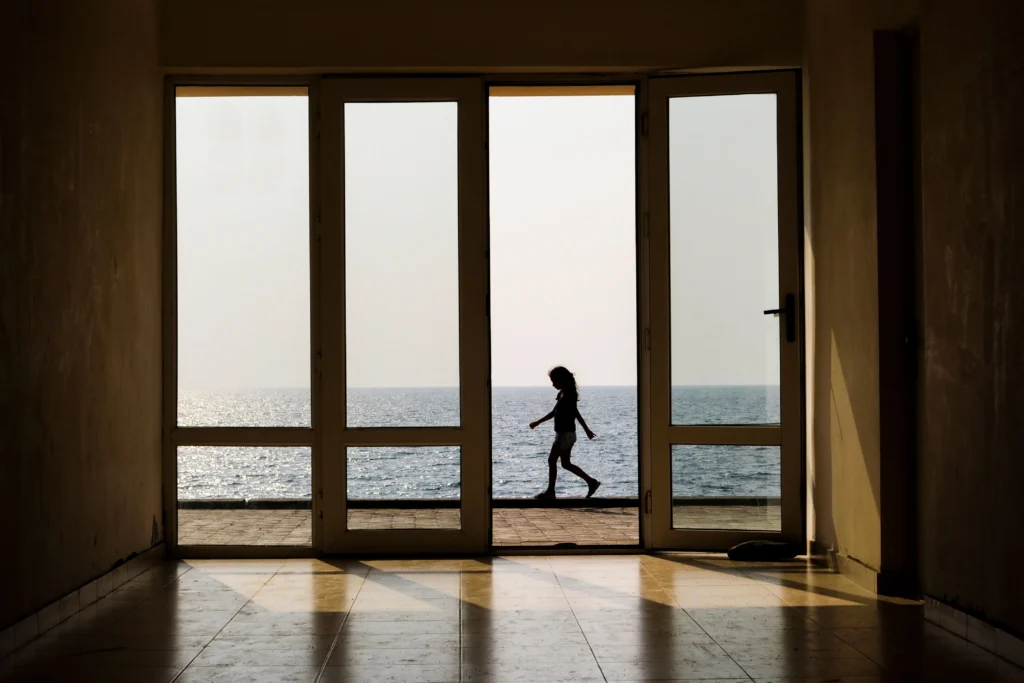
And it is not just the fictional stories we tell. It is the stories we tell ourselves about ourselves.
I have not been able to write for a long time. Not because I have run out of stories to tell, but rather feel like I no longer recognize who I am. The stories I told myself all my life have come undone. Stories about who I thought I was, and who I would become. It feels as though I am suspended in some kind of story limbo. Slowly drifting through somebody else’s narrative. The person I used to know is gone, and I am afraid to look too closely at the person I am becoming.
To put it bluntly, I am in desperate need of different stories.
They say we are living in an age of awakening. We have access to more knowledge than any generation before us. Everyone seems to have a secret formula for happiness, success, healing, wealth, or purpose. Every voice is competing for a chance to tell you a story of who you should be. The challenge becomes learning to hear your own voice.
A new chapter calls for different stories, and letting go of the stories that once gave your life meaning: Like that scene in Spider-Man when Peter Parker struggles to remove the black suit. The bells ring as he tears himself away from something that has become part of him. The suit is harming him, but letting go is still heart wrenching. One such story is the Kenyan dream.
You know the one.
Get a degree. Find a stable 9-to-5 job. Take a loan. Buy land. Build a house. Work until retirement as you pay off your debts. Then finally rest. For many of our parents, this was the path to security. But for many of us, it feels increasingly out of reach. We graduated into an economy that does not always have room for the people it educated. We took student loans for degrees that promised opportunity but often delivered uncertainty.
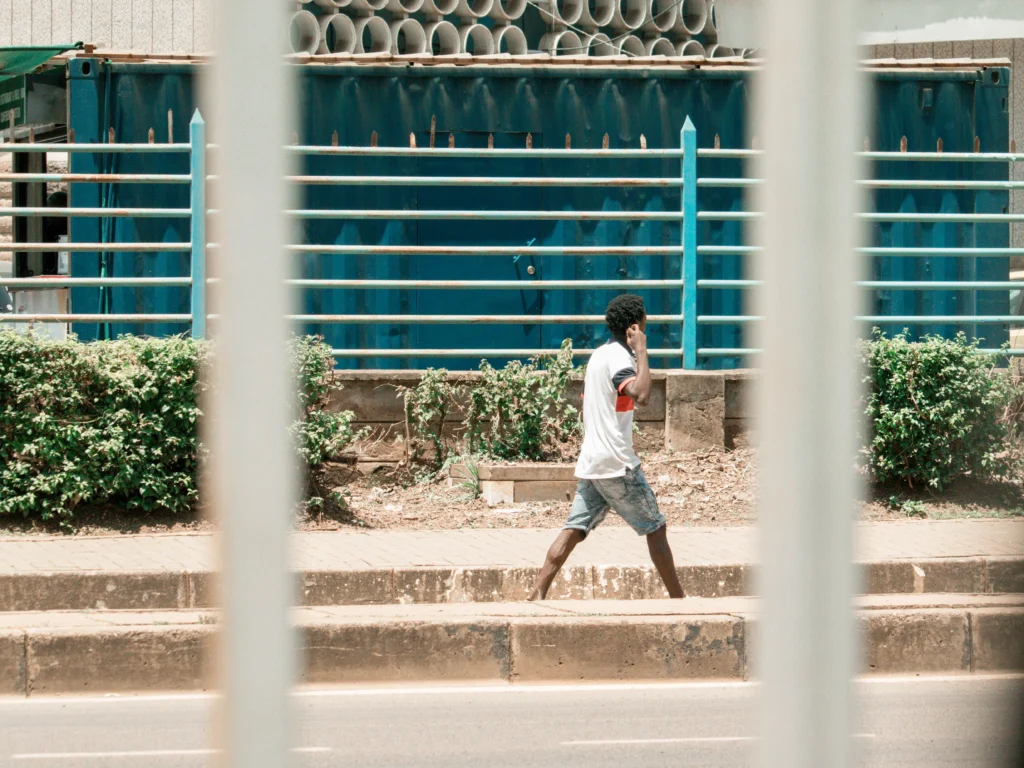
Somewhere along the way, many of us realized the game may have been rigged before we even joined it. The stories we grew up on might have been a lie to lure us into a life our ancestors fought to get out of. We traded in the plantations for desks and cabinets. The colonizers never left. That’s why , we now carry the same exhaustion as our ancestors just in different clothes. You can feel it in the anxiety before clocking in. And in the fear that comes with imagining life outside the systems that sustain you. Once you start playing, you cannot afford to leave, even if you want to.
Who will help us imagine another way? Or is it just the cost of growing up?
Perhaps the answer begins with recognizing that many of our deepest narratives are rooted in suffering.
Work hard. Endure. Sacrifice. Wait. One day it will all make sense.
Would I love to let go of those narratives too. To be able to revisit places where I once felt small, and realize they were just ordinary places. To look at the people who once intimidated you, and realize they are just people too. To walk into rooms that seemed so important, and see they were simply just rooms. To stop chasing the numbers just for permission, validation and meaning. To stop reducing yourself to man-made measurements and performance metrics.
The antidote, I suspect, is caring less about what everyone else thinks and becoming more invested in the life you are actually living. It is deciding that you are the most important person in your own life in a world constantly encouraging you to search outside.
It requires bravery to rewrite the stories. And maybe, that’s what we need to do to bring about change in our society. The story you choose to believe becomes the life you learn to live. If we decide we have had enough of the oppressive narratives in our own personal lives, then maybe the ripple effect could be felt in collective consciousness too. It doesn’t have to be loud. We don’t need to use physical force, or even shed blood. We could start by changing the stories we each tell ourselves. Because the truth is, even though stories can imprison us, they can also set us free.